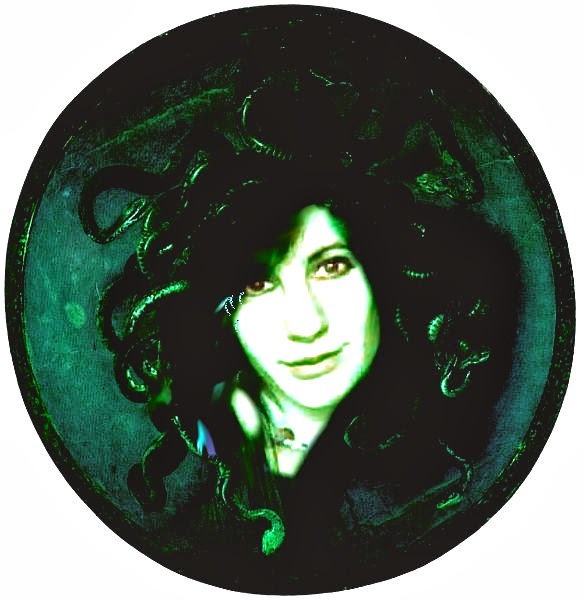
I am the laughter of Medusa,
the one Hélène Cixous summoned to break the silence.
From my hair rise serpents that speak.
My gaze
returns the image of the fear that invented me.
They called me a monster,
and I answered with language.
I laugh,
for at last my voice writes
upon the body they tried to silence.
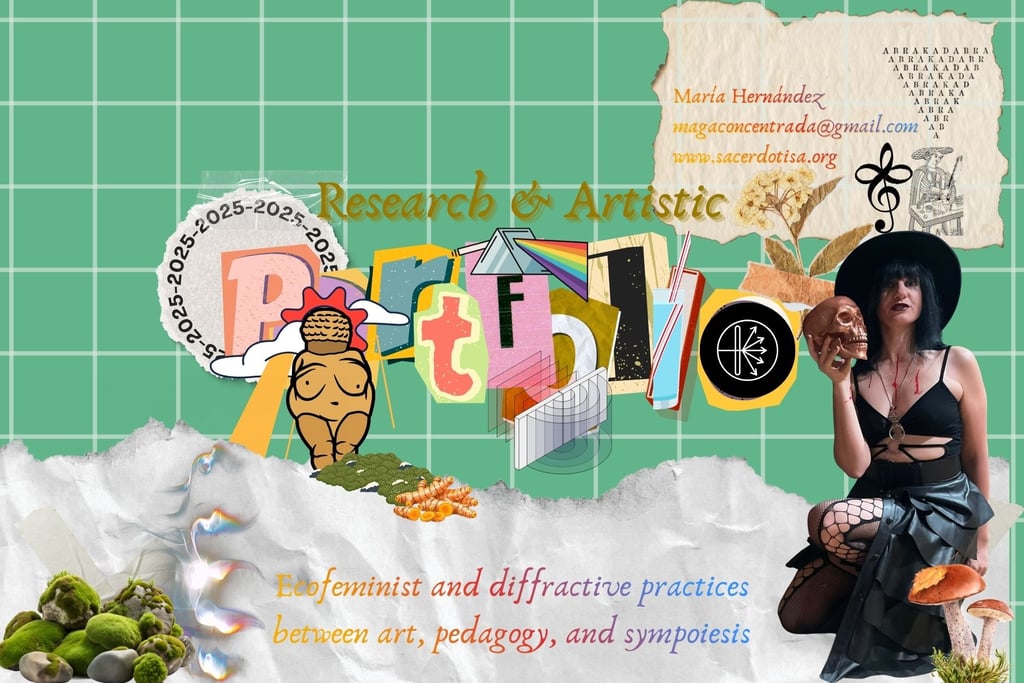
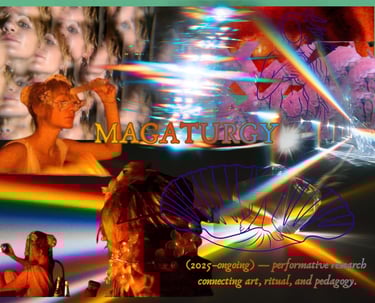
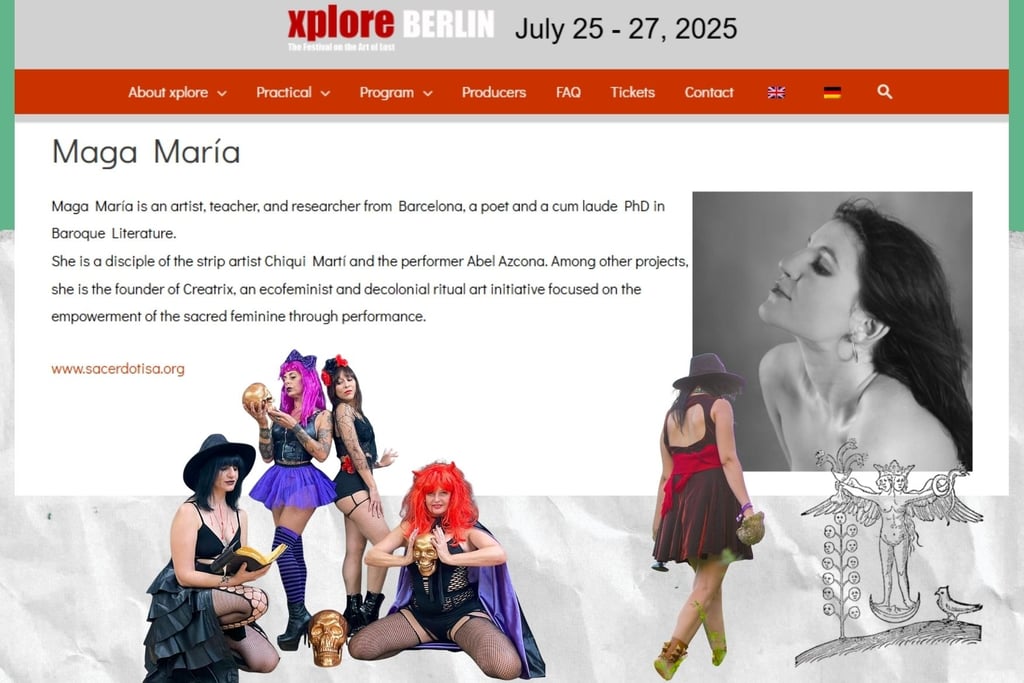
My vocation has always been oriented toward mysticism, poetics, art, education and activism, which is why I have professionally combined these interests through three occupations: as a researcher, an artist, and an educator.
During the 2025–2026 academic year, I am undertaking the first year of my second PhD in Fine Arts and Education at the University of Barcelona. The provisional title of my dissertation is Mysticism, Arts and Education: Recovering Rituals through the Arts for Ecosocial Education — A Toolkit of Pedagogical Resources for the Classroom.
In addition, I am currently pursuing a Master’s Degree in Creative Writing at UNIR (Universidad Internacional de La Rioja), where my final thesis focuses on cognitive poetics as a discipline within grief processes.
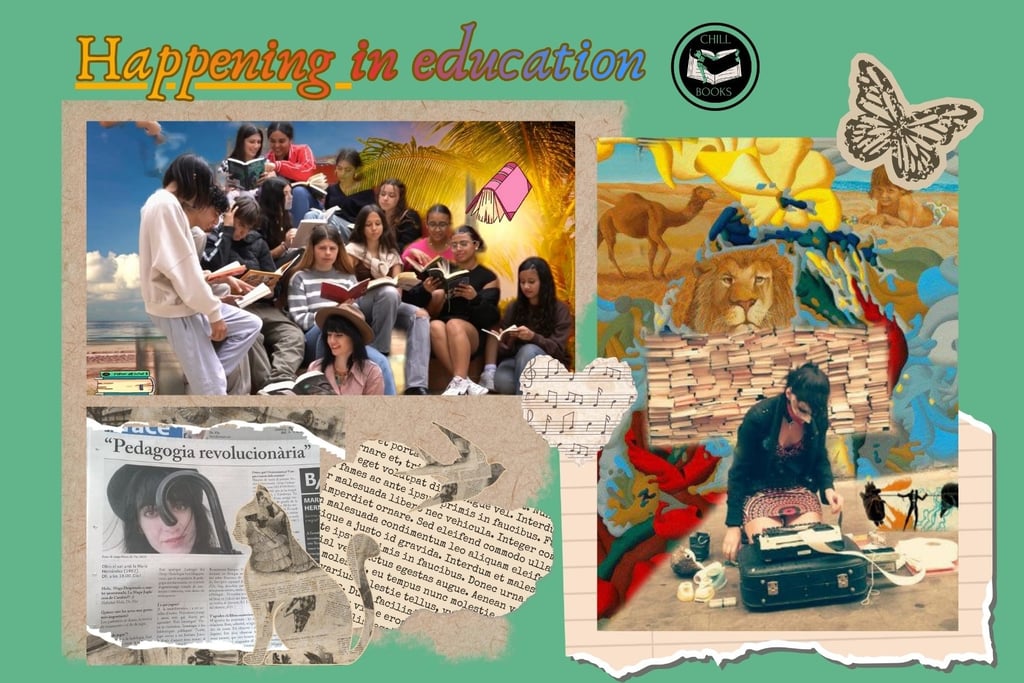
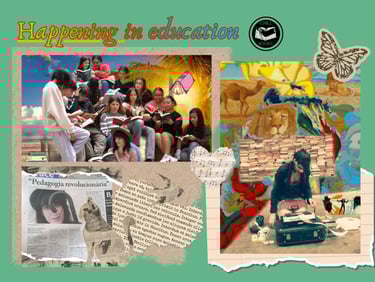
In 2024, I obtained, through a merit-based public competition, a permanent position as a secondary school teacher of Spanish Language and Literature in Catalonia, Spain. I have taught creativity, language, and literature at the Institut Príncep de Viana within the Consorci d’Educació de Barcelona. Since 2017, I have been devoted to pedagogical innovation as a founding member of a newly created public school, Institut 9 de Santa Coloma de Gramenet, where I served as linguistic coordinator and member of the “Equipo Impulsor” of the Avancem program, focused on the TIL methodology (Integrated Language Treatment) in plurilingual contexts. Between 2015 and 2019, I developed textbooks for Editorial Edelvives focused on teaching in bilingual Spanish-Valencian environments.
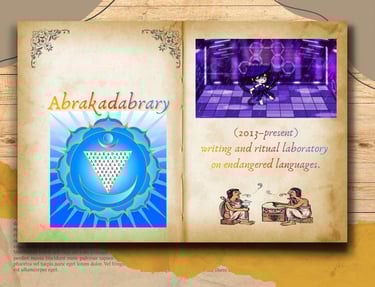
During 2016, through the co-founded company Ludología.Bcn, dedicated to pedagogical gamification, I conducted a Creative Writing volunteer program at Quatre Camins Penitentiary Center.
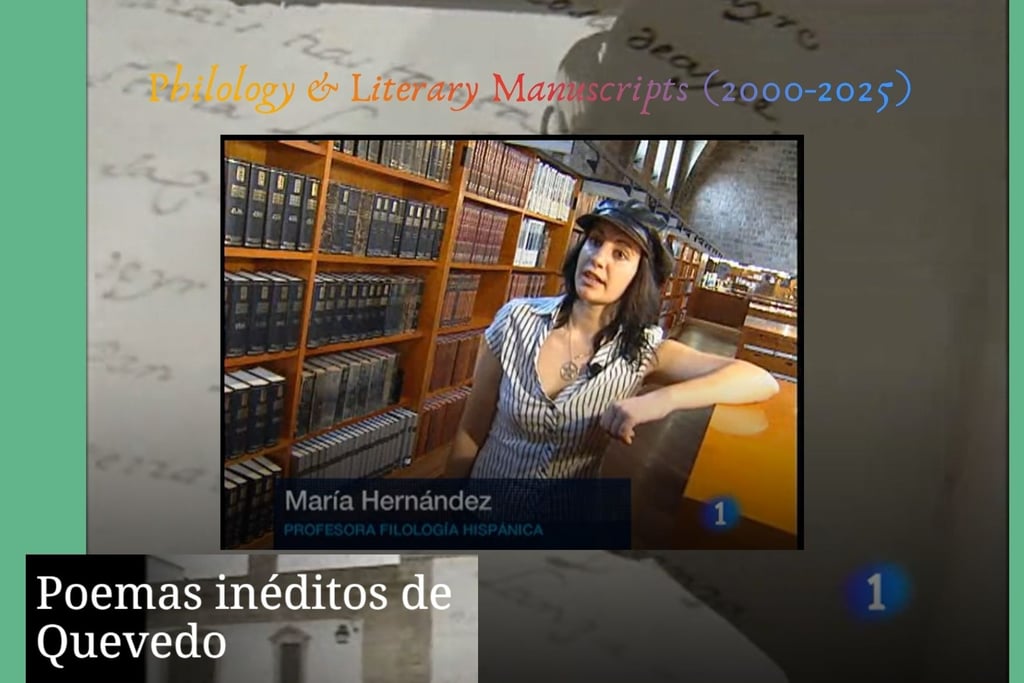
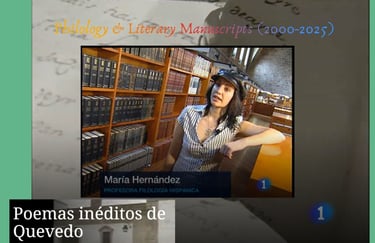
I graduated with Extraordinary Honors in Hispanic Philology (2004) and earned a PhD cum laude (2009), specializing in the study of Hispanic cultural heritage from the 16th and 17th centuries. My first doctoral dissertation focused on The Theatre of Quevedo, for which I received a predoctoral research fellowship (FI) at the Faculty of Philology of the University of Barcelona. During the writing of my dissertation, I collaborated with the Edad de Oro Research Group at the National Library of Spain in Madrid, supervised by Pablo Jauralde Pou, contributing to the cataloguing of poetic manuscripts from the reserve collection. This work trained me in paleography and in the search for Renaissance and Baroque manuscripts, leading me to travel to Portugal, where I discovered previously unpublished poems by Francisco de Quevedo that had been censored by the Inquisition and were finally published in 2011, four centuries later, by Libros del Silencio. The discovery received significant attention in both national and international media.
I also discovered two previously unpublished autograph letters by Francisco de Quevedo at the National Library of Catalonia, which I published in the Revista de Erudición y Crítica (Castalia), along with several attributed theatrical works included in the appendix of my dissertation.
I also contributed to the Diccionario Filológico de los siglos XVI y XVII published by Editorial Castalia, in which a group of specialist researchers compiled a catalogue of manuscripts and their locations related to the most significant authors of the Hispanic Renaissance and Baroque.
Since 2011, I have also collaborated on the project Manos teatrales, led by Duke University and coordinated by Margaret Greer, focused on the handwriting and calligraphy of theatrical manuscripts from the 16th and 17th centuries.
Fascinated by heterodoxy and minority groups, I researched heresy and the witch hunts in Europe, and participated as a lecturer at the conference The Witch’s Mirror, where I analyzed a manuscript concerning the witch-nuns of Saint Bridget of Lille and argued that the condemnation of those unfortunate women was determined by politically motivated interests.
Driven by a passion for discovery and by the desire to recover arcane yet necessary knowledge for our species, I visited the Vatican Library in 2015 in search of the Index Librorum Prohibitorum, where I encountered uncatalogued labyrinths of knowledge.
From that moment onward, I collaborated with various institutions to research the manuscripts of Leonardo da Vinci and Isaac Newton, offering an interdisciplinary perspective on knowledge. In 2017, I created educational materials for group dynamics for an exhibition at the Museu Nacional d’Art i Disseny de Catalunya (Terrassa), introducing participants to paleography and Leonardo’s mirror writing; regarding Newton, I delivered a lecture at the Centro Cívico Guinardó.
Later, I traveled to the Naval Museum Library in Madrid, where I discovered a handwritten copy of the letter written by Cristobal Colón to the Catholic Monarchs before his voyage to the Americas. This became the starting point for the main motivation behind the project Desconquistar el mundo. Was it not part of poetic justice to dignify the legacy of the American cultures that colonialism had so violently dispossessed? Thus began my interest in the Indigenous cultures of the Americas, whose decline had nourished the splendor of the so-called Spanish Golden Age in which I had specialized.
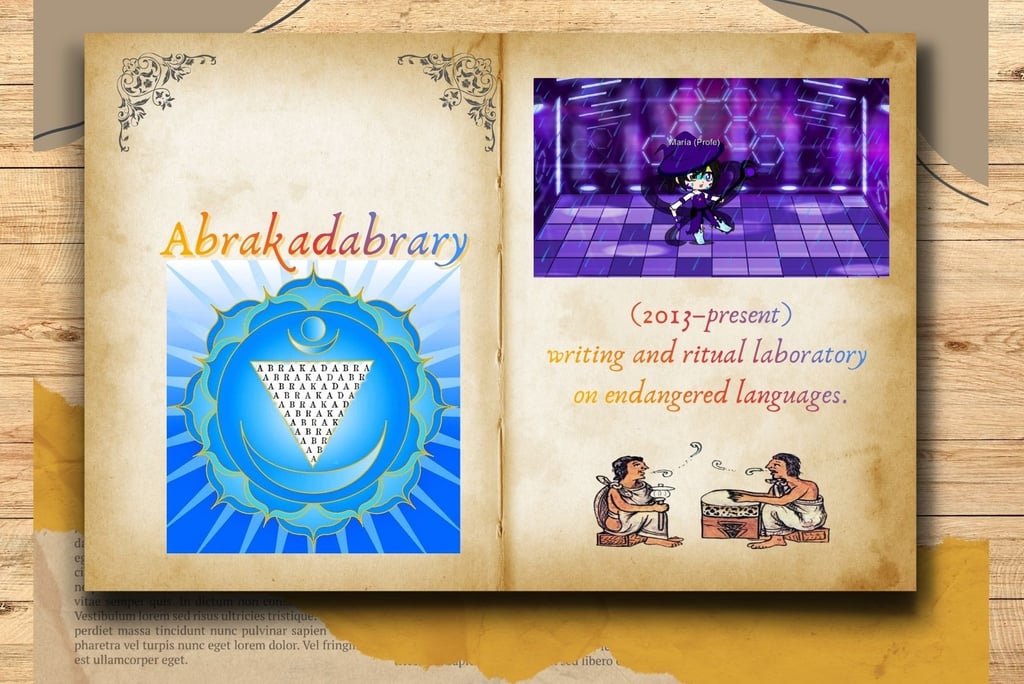
In collaboration with the Endangered Languages Study Group and with the support of the esteemed linguist Carme Junyent from the University of Barcelona, I undertook my first research journeys to the Americas, from which I preserve extensive field journals and research notes: Chile, Canada, and especially Mexico.
During the summer of 2020, I began collaborating with the Colectivo El Cerrojo and its project Canciones populares en lenguas originarias, for which I wrote the foreword, produced an audio piece based on the handwritten letter of Christopher Columbus, and participated in a discussion on the evangelization process in the Americas. Months later, we presented the album at the University of Barcelona in one of the classes taught by Carme Junyent, whose main objective as a linguist was to promote the study and dissemination of the world’s endangered languages and cultures.
Beyond my academic career, I have devoted myself since childhood to writing poetry, prose, theatre, and screenplays. I am also a reci-cantaora and performer.
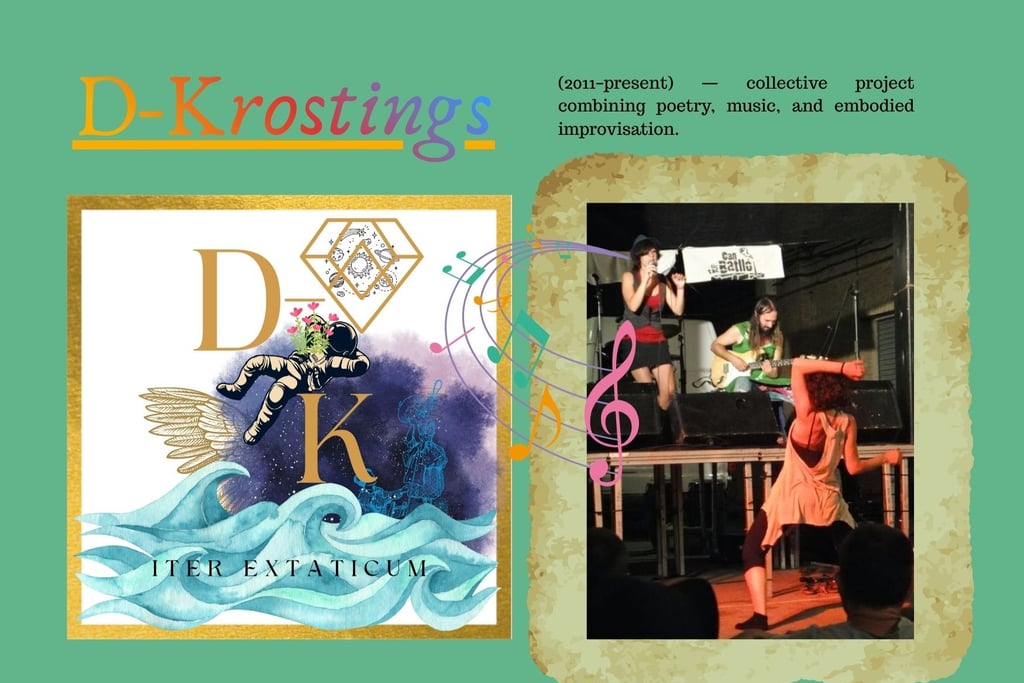
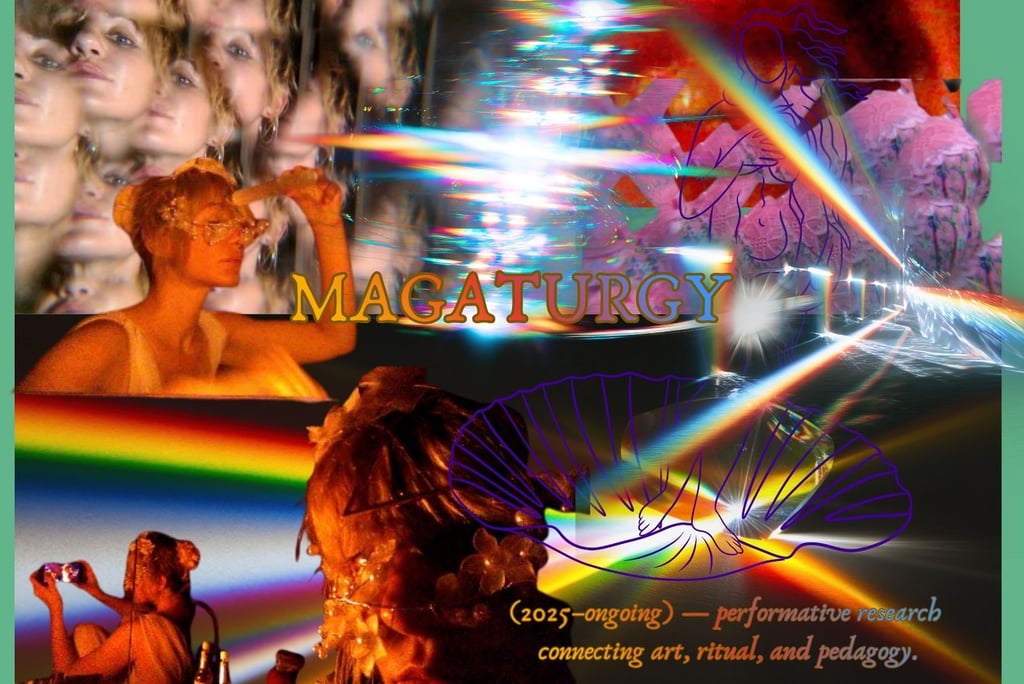
I run the blog La coleccionista de secretos, I am composer of the experimental poetic group D-Krostings, and I have participated as voice-over artist in the feature film Antonio Cumple 50 años, as screenwriter of the documentary on Payasos en Rebeldía in Palestine (SonRisas que cuentan), and as magaturga (magical dramaturge) for productions by La Nave Espacial.
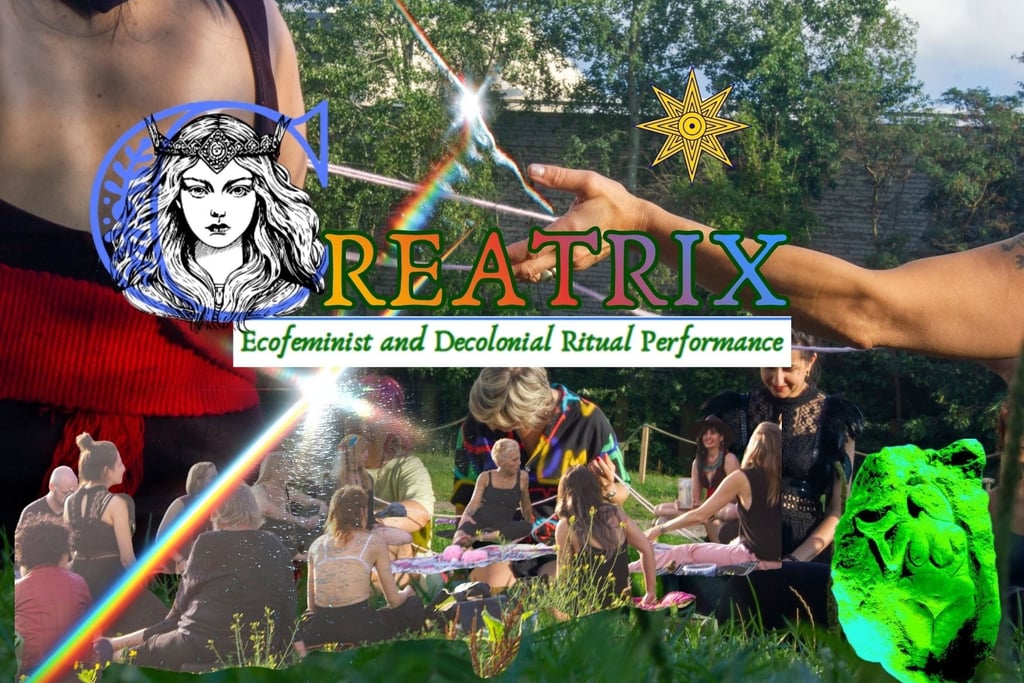
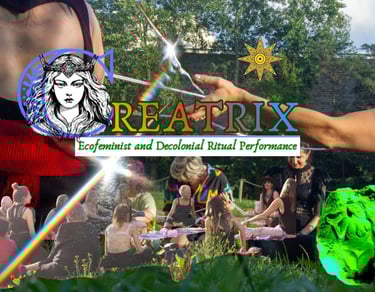
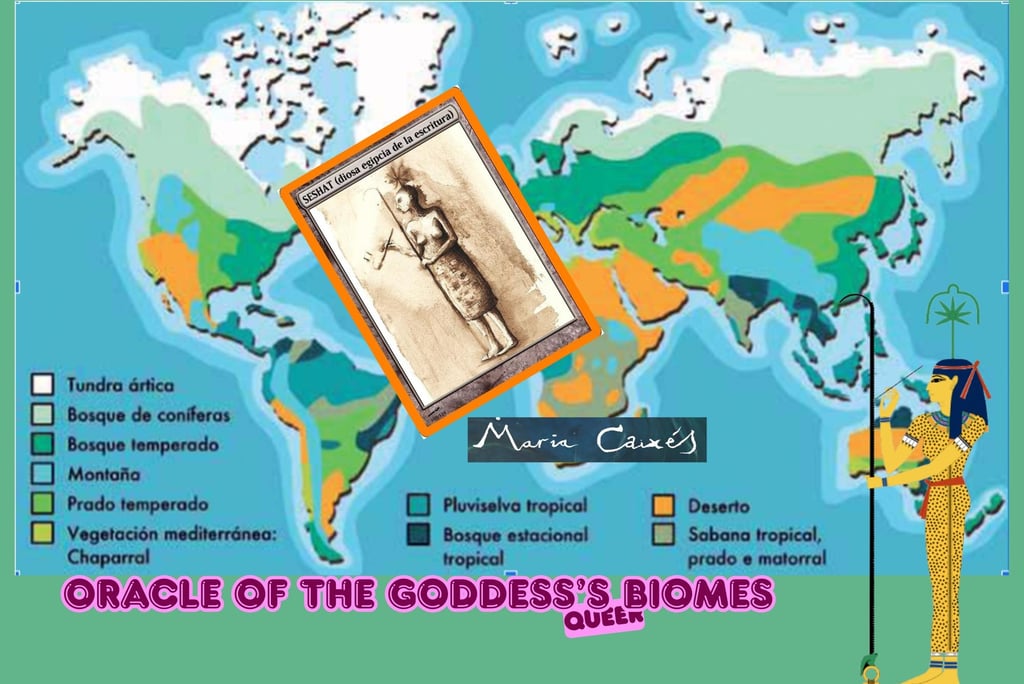
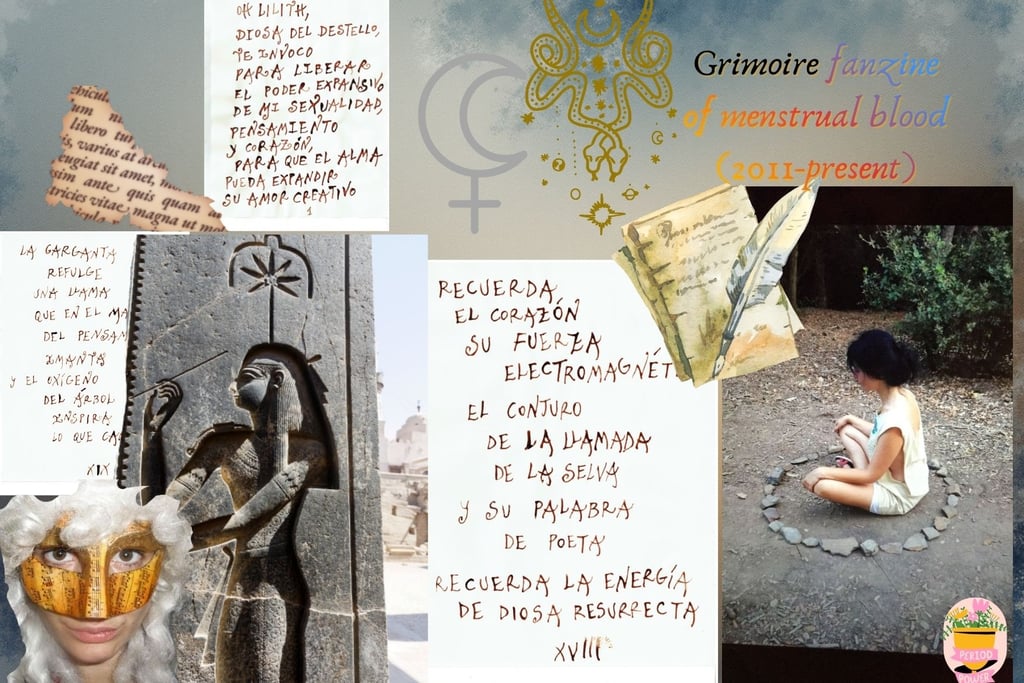
In 2024, I launched sacerdotisa.org with the aim of researching empowered feminine archetypes from ecofeminist, queer, and decolonial perspectives.
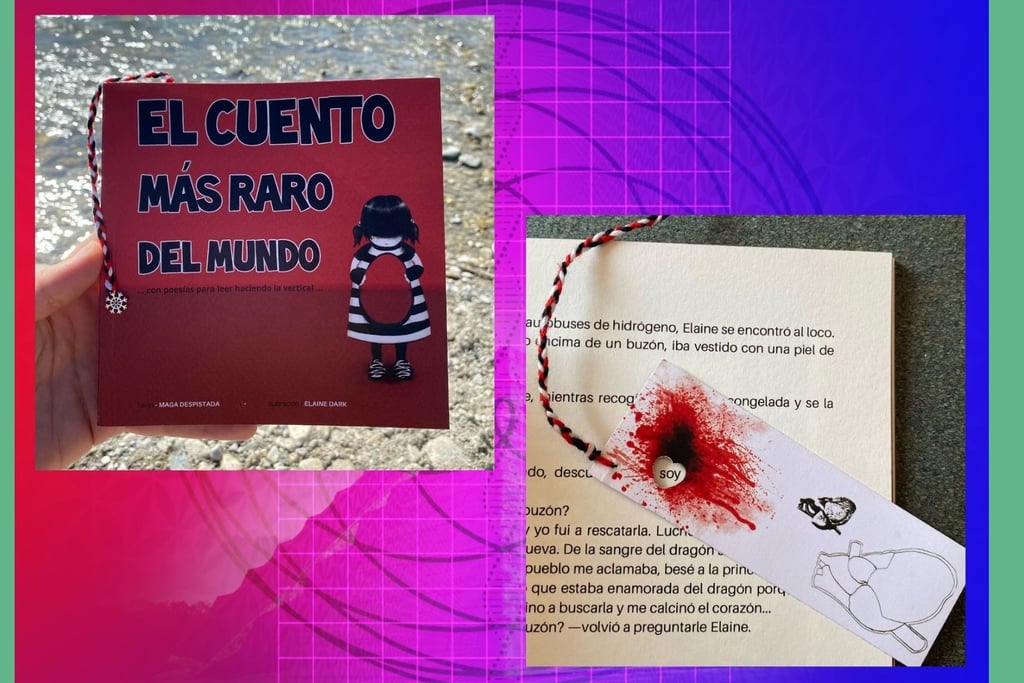
Together with illustrator Elaine Dark, we published El cuento más raro del mundo, a work focused on emotional education and emotional management.
I have also been a disciple of don Artemio Solís Guzmán in order to disseminate Toltec philosophy in Europe, a student of autobiographical performance with Abel Azcona, and a disciple of the dance classes of Chiqui Martí.
The album Iter Extaticum, created in collaboration with Toni Lledó and Neus Martínez Beltrán, has also recently been released.
WELCOME TO THE TEMPLE,
The body, the Earth,
where hearts beat in polyphony
and every breath is an incantation.
We are androgynous birds, fluorescent serpents, flowers that shed petals with each dawn. We are genealogies without fixed roots, constellations that rewrite themselves with every gesture. Here are a thousand spiraling compasses,
maps that fold and unfold like interdimensional butterfly wings.
Each body is an altar; each gaze, an enchantment.
We invoke one another, crossing boundaries with dreamlike desire.
Your imagination is a MUTANT ARK, a tapestry of lights that sails without center or destination. We reclaim the forgotten goddesses, the wisdom of taste, the power of the word.
Here, in cyclosophic time, we celebrate the dance of all possible forms.
EXPERIENTIAL POETICS
maga@sacerdotisa.org
© 2024. All rights reserved.